











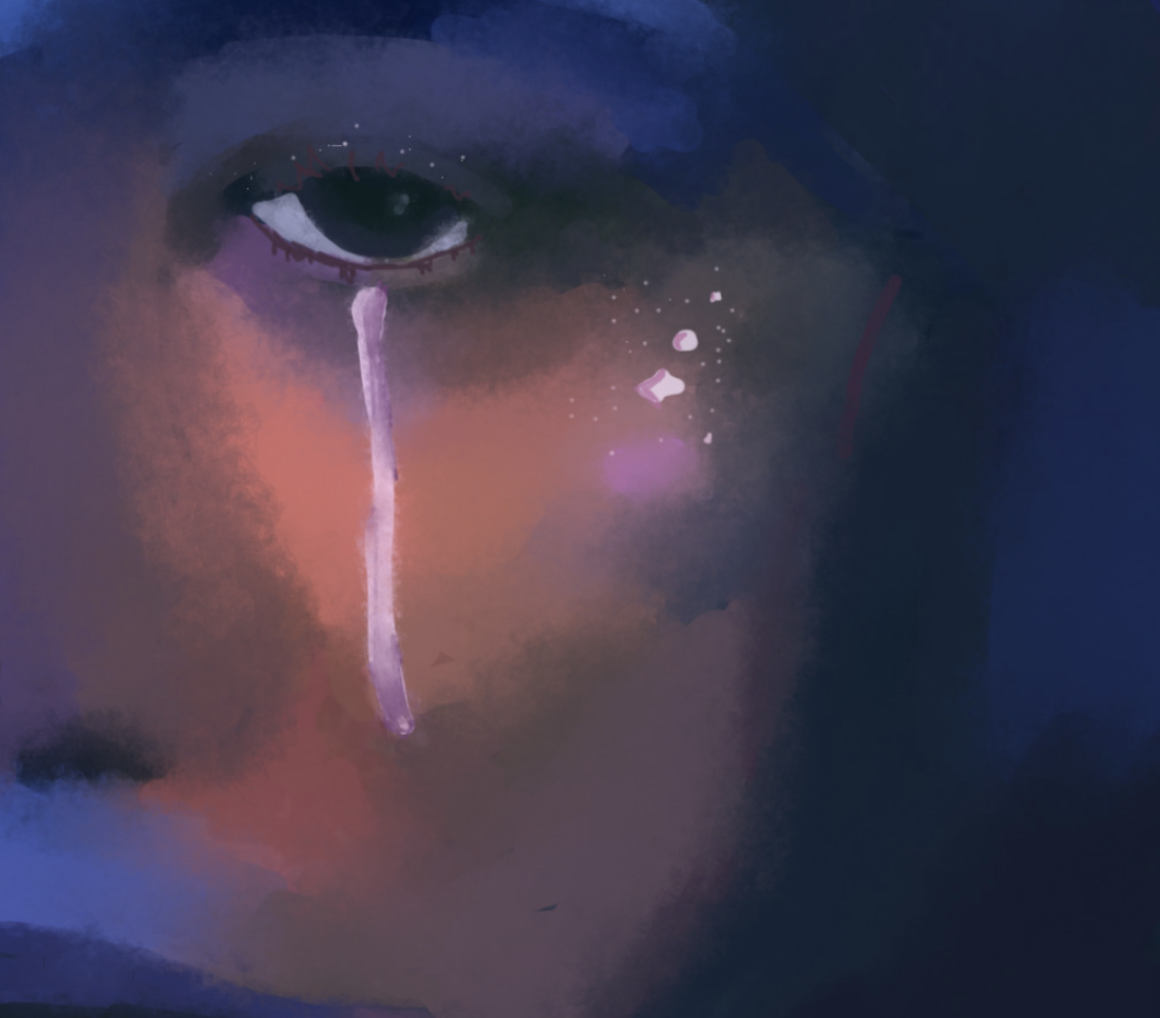















The song “Connecticut” by Cat Crash has recently faced backlash on TikTok and Instagram due to its lyrics criticizing the band’s experience of growing up and attending high school in Fairfield County.
“Slow times at Fairfield high/Weather has been more bipolar than I,” one lyric reads. “I am not afraid of hell, I am from Connecticut!” another line from “Connecticut” says.
This line from the song is the one that most critics have chosen to focus on, fighting back against the lyrics of the song, claiming that it misrepresents the state. Statistically, the state of Connecticut is rated #8 of 50 in economy, #10 in education and #8 in safety crime and prevention according to the U.S. News.
Personally, when I stumbled upon this Instagram controversy, I thought the lyrics were so bad that they had to be satirical. However, from posts made by the band, I learned that the lyrics were intended to be sincere.
“CONNECTICUT is a song about growing up in CT from the perspective of a person who is not white, not neurotypical and not cis. I am not saying I had it worse than other people!” Cat Crashes official page said. “But can you please understand how growing up in a town that celebrates conformity and punishes anyone out of the ordinary would be, idk, not a fun time?”
The criticisms against the song’s composition are valid. It is evident that they did not use a metronome or took singing lessons. The song really is just plain bad.
But it is unfair for critics to dismiss the band’s experiences and to reduce the problems the song mentions as being privileged people’s problems, often feeling ignored by their peers about their struggles and feeling isolated.
The song expresses the idea of not having an outlet to express themselves and struggling to find a space where expression feels valid. People on the internet are using this person’s upbringing as a weapon to degrade their song. They are lessening the value and worth of their song on the basis that they lived in Fairfield.
Growing up in Fairfield County, I have seen people mocked for being different. These looks and comments still can be a lot, even if it does not mean that they are in immediate danger.
“The existence of bigger issues does not take away from the fact that someone’s individual pain and anger exists,” Staples student Kaya Scarfstein ’27 said. “But it is when the line crosses into ignorance where that person believes that it is worse than others and uses their problems to put down another’s is when the criticism of privilege is entirely justified.”
While this song may be out of touch in comparison to more marginalized groups outside of our “Westport bubble,” I think it does a great job of reflecting the idea that no matter how safe or open-minded a community can be or appear to be, someone’s apparent heaven can be someone else’s hell.
No artist should have to question whether their experience is valid simply because others have experienced worse. Everyone has the right to complain, as long as they are empathetic to those who have experienced violence or severe reactions to their identity.