





























A bill to establish a German Trade Commission in Connecticut could create new opportunities for students and strengthen the state’s relationship with German business. If passed, it would bring together hundreds of German companies in New England to collaborate, grow and create new pathways for students to gain internships and career experience.
The commission would unite German businesses across the state and provide a way to develop partnerships and strategies for growth that didn’t exist before.
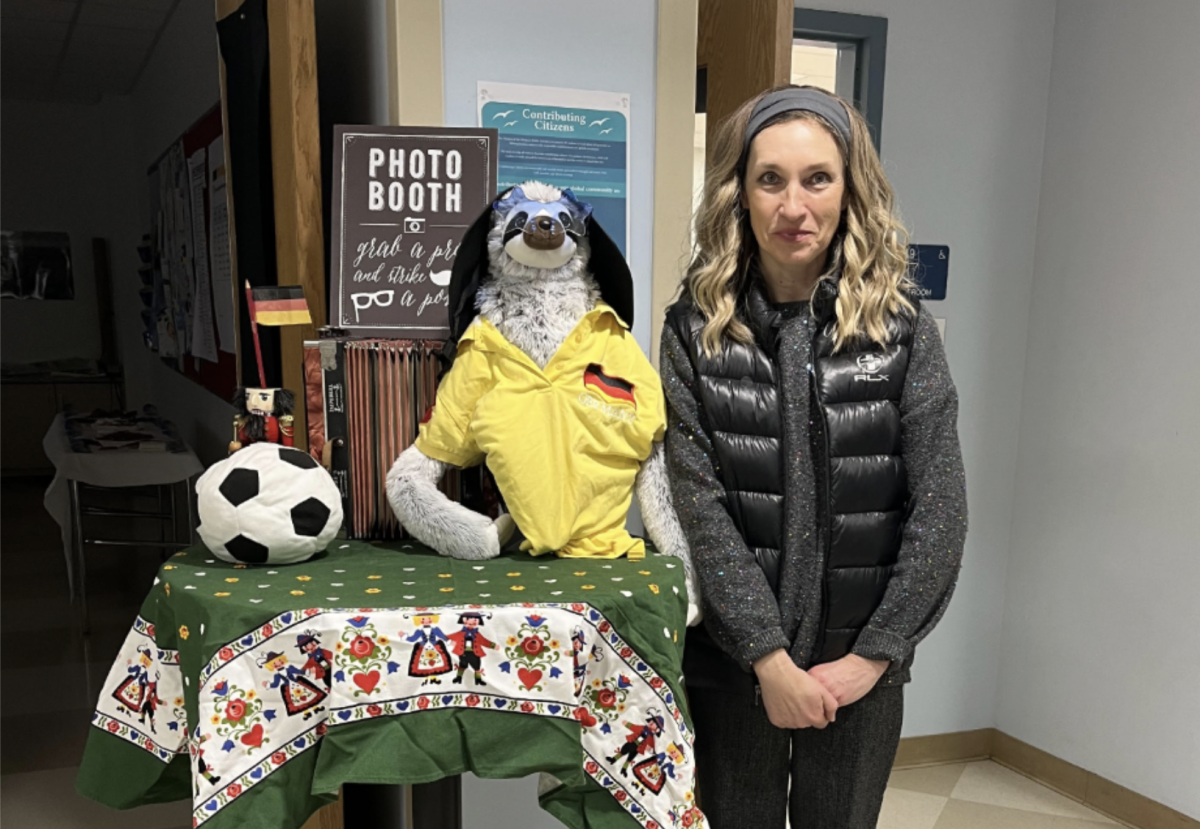
“A German Trade Commission will enable them to be able to come together and establish plans for growing, collaborating and for creating ties within the United States, not only within the state,” Staples German teacher Liubov Ulianova said.
The establishment of the commission will not only make trade between German companies in Connecticut easier, but it will open up opportunities for Staples students taking German to access internships, sponsorships and future job opportunities.
Many of the companies involved could offer hands-on training to students who have knowledge of German language or culture, providing real-world experience even before college.
“We have 200 companies who might take students in because they did internships or have some knowledge of language, or culture, and they will train you on the job,” Ulianova said. Or you go to college, come back, and they will give you a job.”
For students, the commission represents a chance to translate classroom learning into tangible professional experience. Exposure to the variety of German businesses operating locally can broaden students’ understanding of potential career paths.
“Learning about all different farm, pharmaceutical or technological businesses here really opened my eyes to, oh, there actually are quite a few opportunities,” Josephine Lewertoff ’27 said. “So I think with the Trade Commission, those would only continue to expand.”
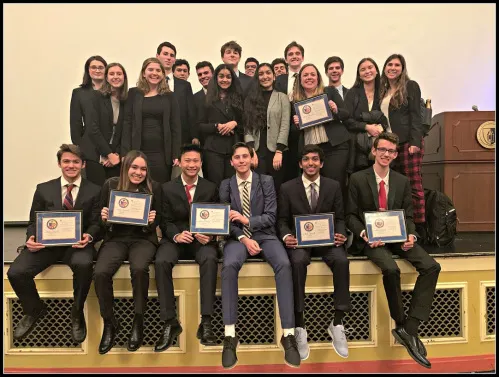
Lewertoff is one of the students taking German at Staples looking to benefit from the internship opportunities the commission will provide. Not only does she believe it could allow students to apply language skills, but also give true meaning to their classroom studies.
“I think it can really kind of provide a baseline to emphasizing what students can take away with their learning of a language,” Lewertoff said.
This initiative has drawn support from experts like Professor Anke Finger, a professor of German Studies and Media Studies at the University of Connecticut. Finger directs the dual-degree program combining a BA in German Studies with a BS in Engineering or Business, which allows students to spend part of their studies in Germany, including internships with German companies. Her role has given her insight into how structured connections between education and industry can benefit students.
“German-American business relationships have been in existence for a very, very long, long time,” Finger said. “Germany, of course, is the third biggest economy in the world. And so Germany has a very large partner already in Connecticut.”
Her position overseeing dual-degree programs and international internships allows her to see firsthand how German companies value students with language skills, cultural understanding, and international experience. She sees the commission as a way to extend those opportunities to high school students and create stronger pipelines to higher education and careers.
“We hope that there’ll be lots of opportunities coming for students that we can strengthen the pipelines coming straight from high schools like Staples,” Finger said, “and give students opportunities who are maybe working with the Seal of Biliteracy, who have some German experience, who have interest in working in the companies as interns or going overseas.”
For students like Lewertoff, the commission could also influence personal decisions about higher education and cultural engagement. It demonstrates that global experiences can be accessed without leaving the United States, while still maintaining a strong connection to German language and culture.
“I’ve started debating whether or not I wanted to study in Germany, but I think now I can do that just as much in the U.S., and that I can sort of still maintain something that I’ve been growing up with,” Lewertoff said.
Bill SB 132, the act establishing the Connecticut-Germany trade commission, is still under review by the Connecticut General Assembly. However, if passed, it could provide students with unique internships, career pathways and a stronger connection to German language and culture, while supporting German-American business in the region.
“There has already been such a strong presence of German companies in the past in Connecticut,” Finger said. “This is the next step.”