
















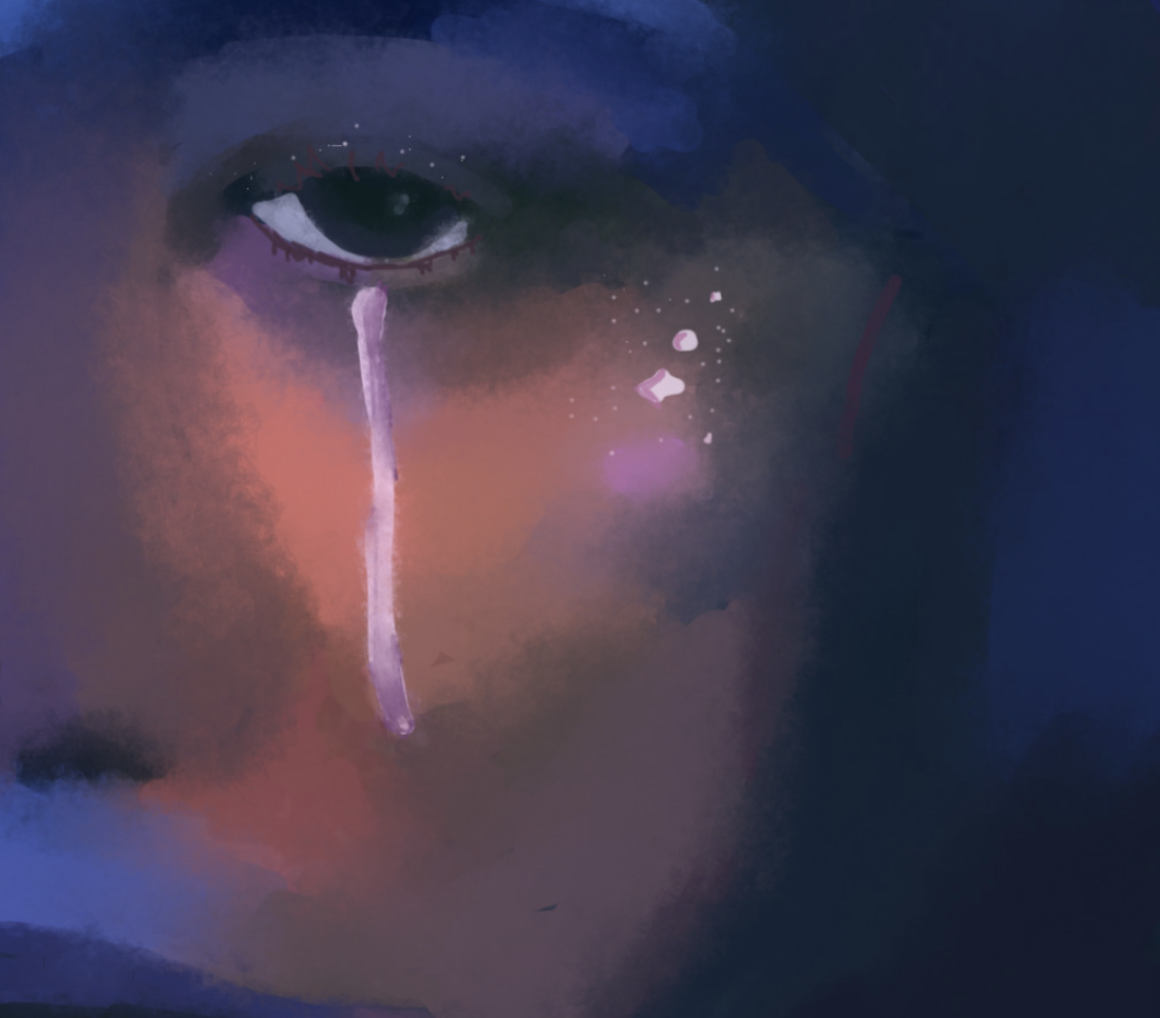













For some people, Valentine’s Day means roses and heart-shaped boxes of Dove chocolate. For others, it means lying in bed, eating pizza on the couch and trying not to cry about being single.
For years, as Feb. 14 crept closer, I felt a mix of sadness and jealousy toward people in happy relationships who got to celebrate the “holiday of romance.” But maybe the problem isn’t the day itself, but how we define what should be celebrated.
Valentine’s Day has traditionally been seen as a holiday just for couples. This idea shows up everywhere, especially in movies and TV shows, where grand romantic gestures and flower deliveries make it seem like romance is the only kind of love that matters. If you weren’t in a relationship, the day could feel awkward, lonely or like a reminder of what you didn’t have.
Recently, though, that definition has started to change. There is less pressure for Valentine’s Day to be only about romance, and more room for other kinds of love to be celebrated.
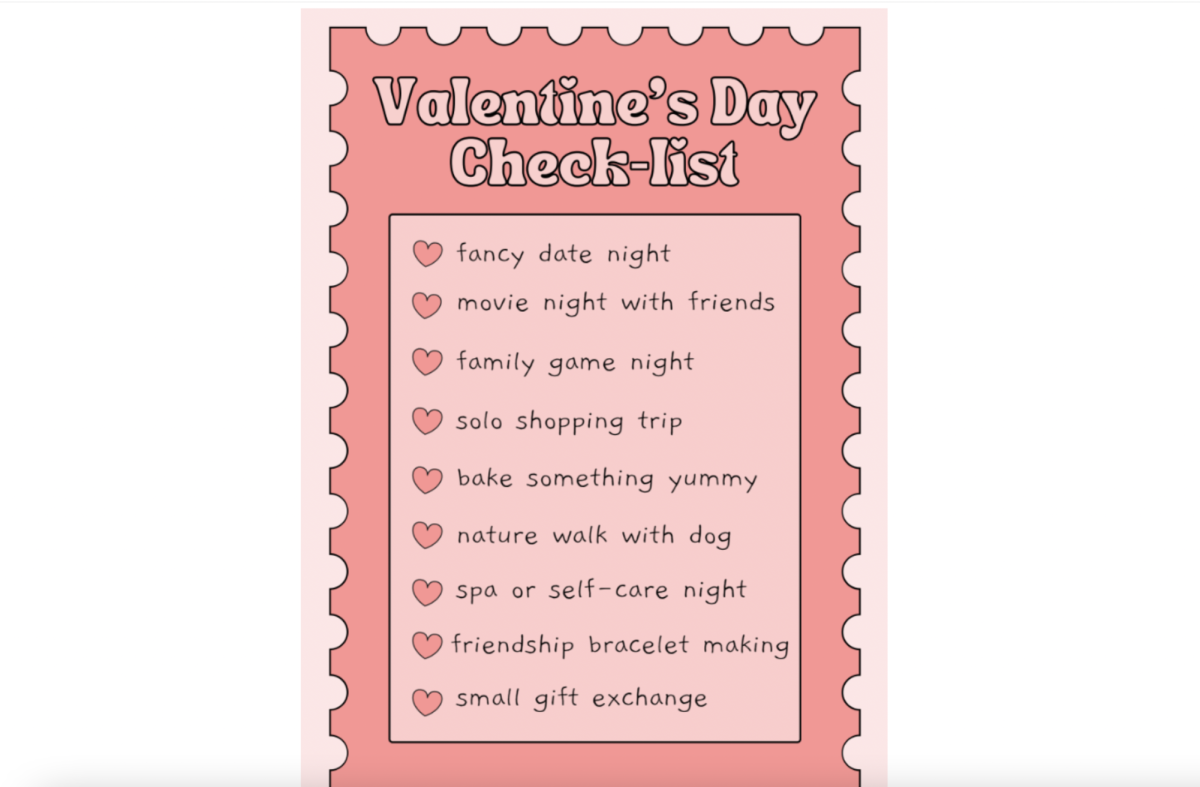
The rise of “Galentine’s” and “Palentine’s” celebrations on Feb. 13 instead of Feb. 14 has made space for people to focus on friendship instead. Instead of fancy dinners with a partner, people are having movie nights with friends, exchanging small gifts or just spending quality time together. This shift helps make the holiday feel more inclusive, especially for people who are single.
This change is reflected in our spending patterns. The National Retail Federation estimates that of the $29.1 billion expected spending for Valentine’s Day gifts this year, $8.4 billion is expected to be spent on friends, co-workers, classmates, teachers and even pets (PSA, don’t give your dog chocolate)! Similarly, according to Open Table, last year there was a 34% increase in reservations for parties of six or more on Feb. 13, Galentine’s Day, compared to the same date in 2023.
Valentine’s Day can also be about self-love or family. Some people take themselves on solo dates, buy something special for themselves or spend the day appreciating the people at home who support them year-round.
For as long as I can remember, my parents would get me my favorite chocolate and warm pajamas for Valentines Day. I always knew that no matter if I was in a romantic relationship or not, I would be able to experience the festivities of Valentine’s Day without any pressure to have a partner.
When we widen the meaning of the holiday, it becomes less about whether you have a date and more about recognizing all the different relationships that make life meaningful.
Valentine’s Day shouldn’t be limited to one type of love. Romance is important, but so are friendships, family bonds and learning to care for yourself. By redefining the holiday to celebrate love in all its forms, Feb. 14 can become a way that makes more people feel included instead of left out.

