




























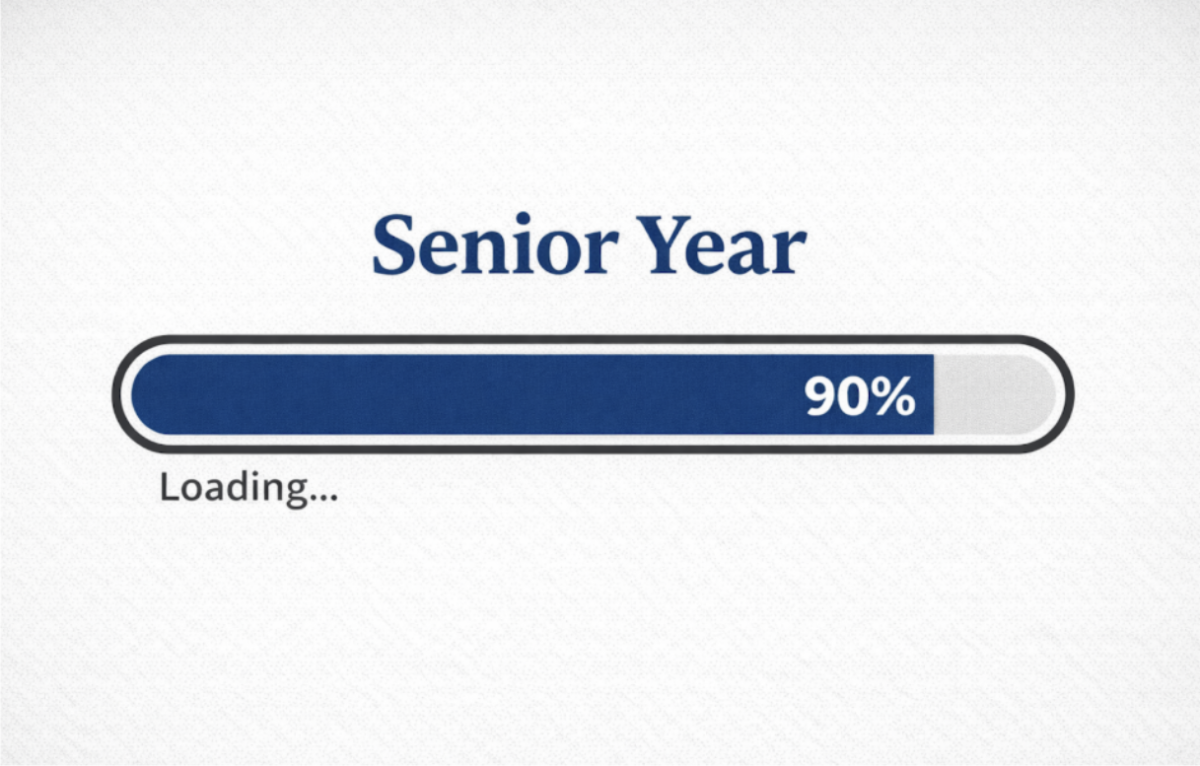
Around January, I started to notice a shift in how I felt about school. Assignments that once seemed tough or boring started to give an “optional” kind of energy. I’d heard about a “fourth-year illness,” but I didn’t realize I was catching a case myself.
I remember one afternoon staring at a blank Google Doc, unable to start an essay that would have stressed me out months earlier. Instead, I just closed my laptop and caught up on some aimless doomscrolling, telling myself I’ll get to it later. It was a (temporary) stress-free solution!
After a while of enjoying this slippery slope, I took a closer look at what was going on: drowsiness, a slow decrease in motivation, elaborate excuses for not finishing schoolwork, sudden urges to skip class and chronic procrastination. If you are a senior in high school and any or all of these symptoms apply to you, you might be dealing with a case of senioritis.
Senioritis is often described as a sudden lack of motivation during the final year of high school, especially in the second semester. It usually shows up after college applications are submitted or decisions come in, when the pressure that once drove productivity suddenly vanishes. Symptoms can range from mild to severe, and often include convincing yourself that everything can wait.
In more serious cases, senioritis may lead to many absences and the constant use of the phrase, “It doesn’t even matter anymore.” Assignments feel heavier, deadlines seem flexible and effort becomes negotiable.
Even though senioritis is not a recognized medical or psychological condition, it serves as a socially acceptable explanation for academic burnout. It’s often used as a blanket excuse that neatly combines exhaustion, stress and emotional fatigue into a single term requiring no further explanation.
While people discuss it like a medical condition, senioritis is not acknowledged by any doctors- only by your personal list of excuses. It may feel real, sound real and be experienced by almost every senior, but it’s not something you can fix just by avoiding it. However, you might become quite skilled at inventing excuses along the way.
Burnout, on the other hand, is real. After years of pressure, expectations and constant planning for the future, it makes sense that motivation drops as the finish line comes into view. But calling burnout “senioritis” can make it easier to overlook instead of address.
As someone finishing senior year myself, I can understand why motivation fades. After years of schedules, tests and planning for the future, the sudden feeling of being “almost done” can make it difficult to stay focused.
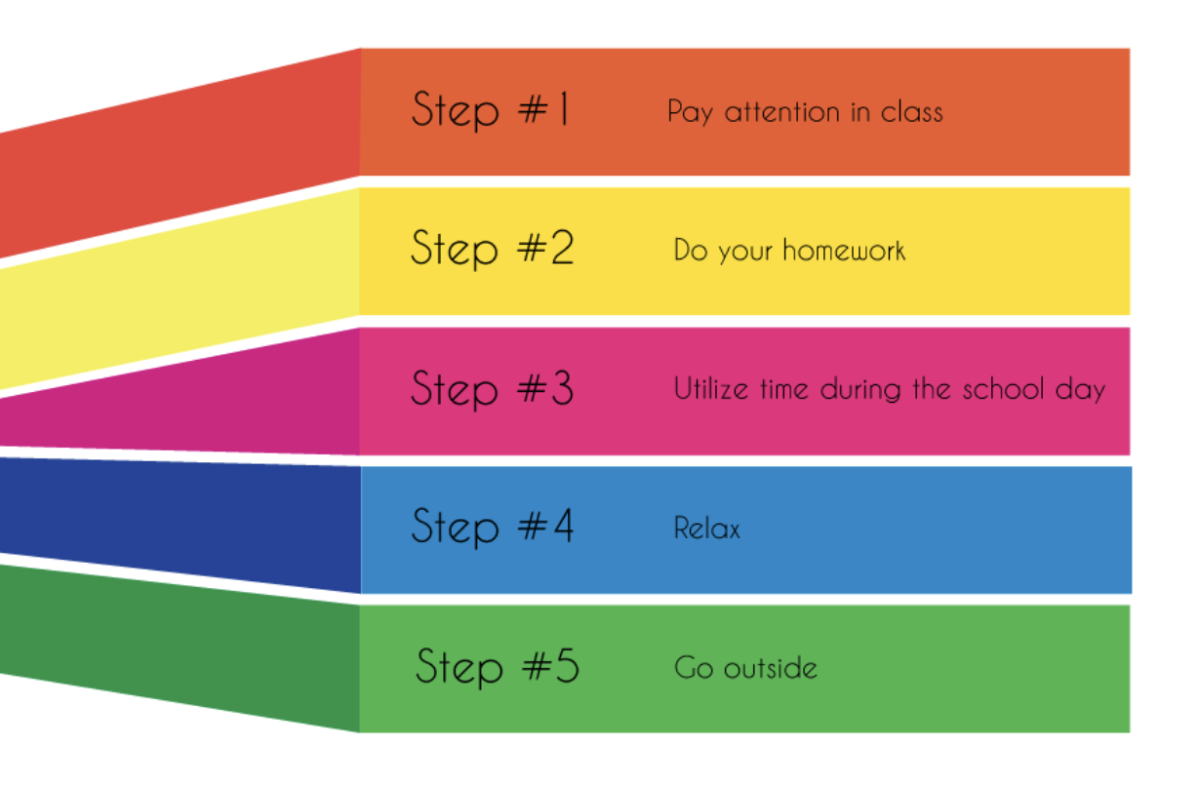
There is no cure for this case. Untreated senioritis may lead to last-minute panic, anxiety about grades and the realization that deadlines still matter. However, you can take steps to manage burnout, such as setting realistic expectations, breaking assignments into smaller tasks and allowing yourself to rest without completely disengaging.
If you feel like you’re catching senioritis, remember that burnout needs attention, not avoidance. While senior year may be coming to an end, it isn’t over yet.