





























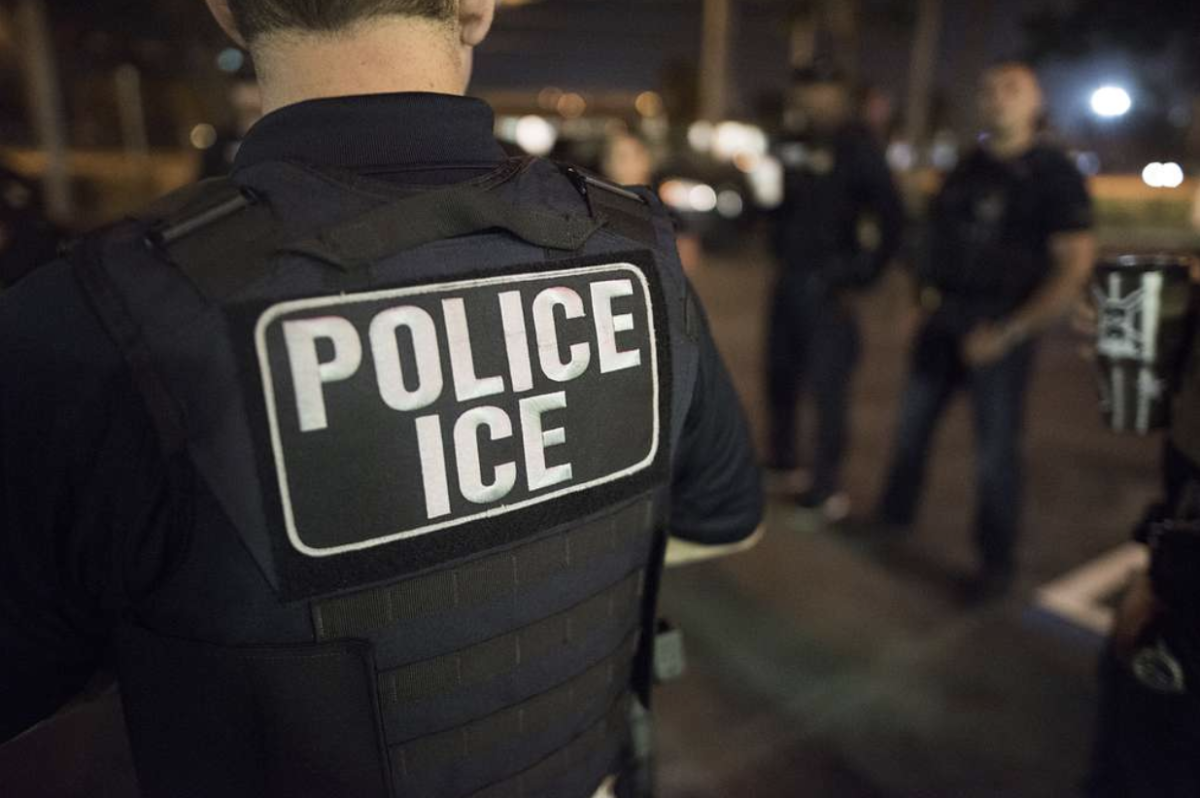
When I first learned that U.S. Immigration and Customs Enforcement (ICE) agents were going to be part of the security at the Winter Olympics this year, I was genuinely confused. The Olympics are not supposed to be about politics or punishment. It’s supposed to be an event to bring the world together through sport. And even though officials called ICE’s presence limited, I still don’t believe they should have been there at all.
Italian politicians and citizens were frustrated in anticipation of ICE agents at the Milan-Cortina Games. Milan Mayor Giuseppe Sala strongly criticized ICE, describing the agency as violent and interfering. Sala said that the ICE agents were not welcome in his city, asserting that Italy itself would handle its own security. Italian citizens turned out for protests in Milan many times before the Games opened, underscoring just how far-reaching this issue went. Those reactions represent real, recognizable hurt and fear.
Proponents of the decision said that ICE agents would only assist in analytical, informational, or other roles and wouldn’t be enforcing immigration laws across Italian territory. Italy’s interior minister and U.S. Homeland Security officials said that ICE wouldn’t perform policing and that security would still be under Italian control. But regardless of this decision, a disturbing message was sent through ICE’s presence.
In past Olympic Games, security for U.S. politicians and athletes hasn’t usually involved agencies like ICE. It’s typically handled by the U.S. Diplomatic Security Service (DSS), which works with the host nation to ensure safety and protect U.S. interests. The U.S. Olympic and Paralympic Committee said it has worked with the U.S. Department of State’s DSS and the host nation for security planning, but not with immigration agencies like ICE. However, this year, ICE’s Homeland Security Investigations was involved to help the DSS and the host nation, Italy, reduce crime risks. Nevertheless, ICE agents weren’t part of the official U.S. Olympic delegation, and protection for U.S. leaders overseas is normally managed by the DSS or the Secret Service. Knowing that, ICE’s presence at these Olympics felt even more unnecessary to me.
In the United States, ICE has been a major talking point, particularly after the tragic deaths involving ICE officers in the past several months. Many people, likely those at the Olympics, too, associate the agency with deportations, harsh immigration enforcement, and violence. Therefore, linking ICE to an event that is supposed to celebrate peace and unity challenges the entire purpose of the Olympics.
The Winter Olympic Games should have been separate from politics rather than serving as a place to create more potential tension and division. Even if ICE agents weren’t directly enforcing anything, their presence still had an effect. The Olympics are supposed to bring people together, but I believe this decision did the opposite.

